LNG 101
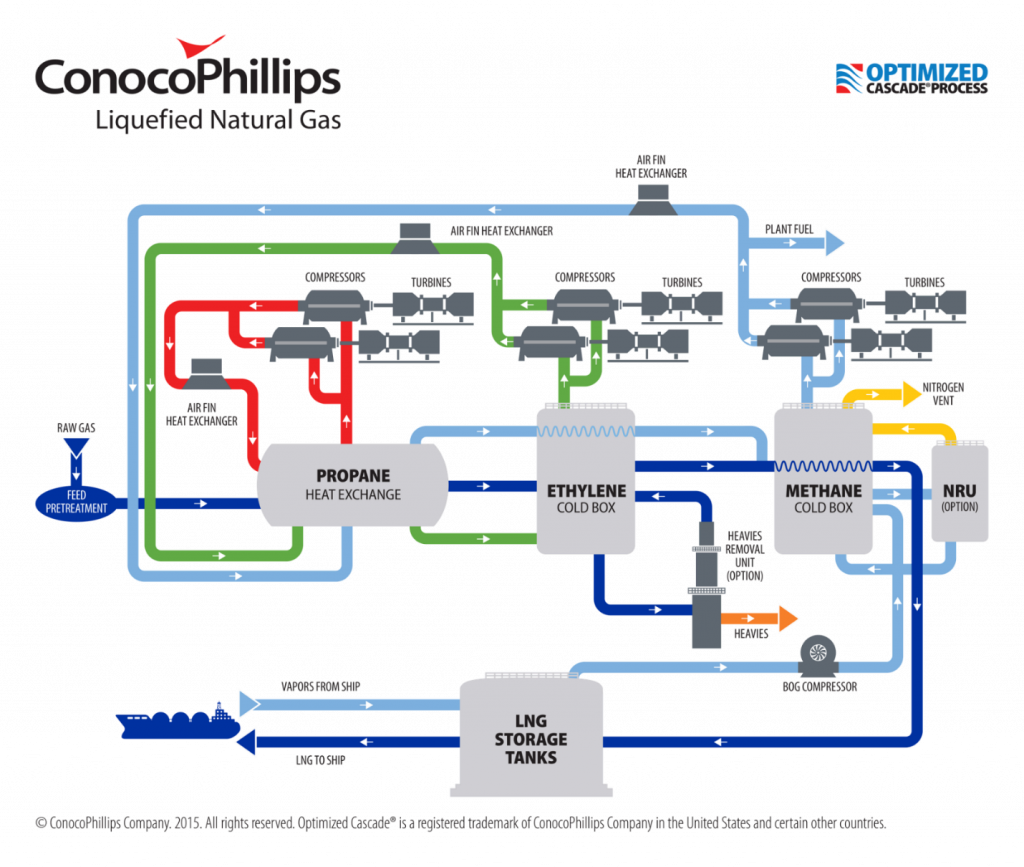
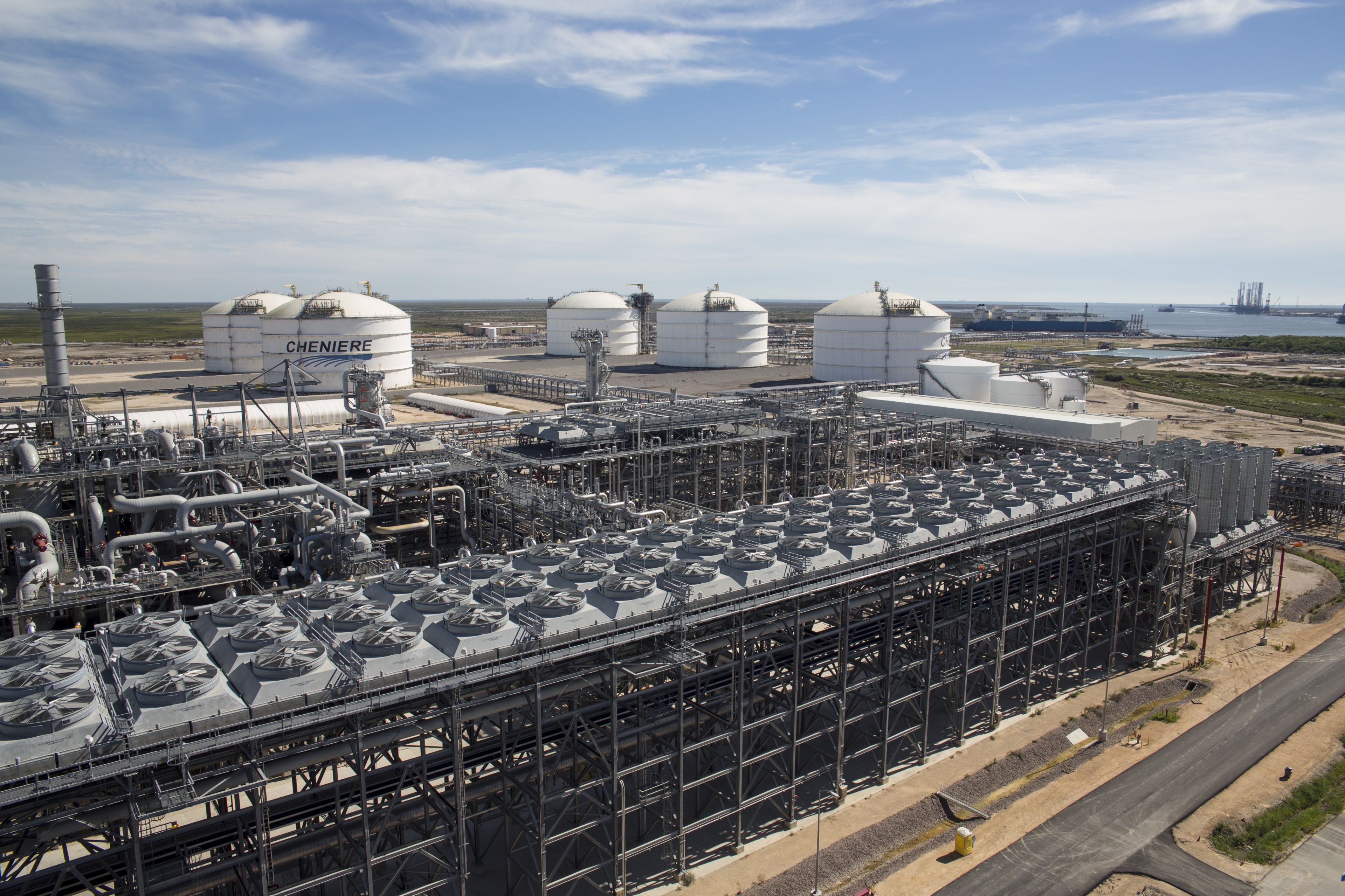
Liquefied natural gas — LNG for short — is natural gas (methane) in liquid form.
The LNG we produce is shipped all over the world, turned back into natural gas (called regasification) and then transported via pipeline to homes and businesses and used as an energy source that is essential for heating, cooking on stoves and other industrial uses.
Natural gas is a cleaner-burning, abundant and affordable source of energy. When LNG is converted back to natural gas, it can be used instead of coal, which reduces the amount of pollution traditionally produced from burning fossil fuels, like sulfur dioxide and particulate matter that enters the air we breathe. And compared to coal, it produces significantly fewer carbon emissions.
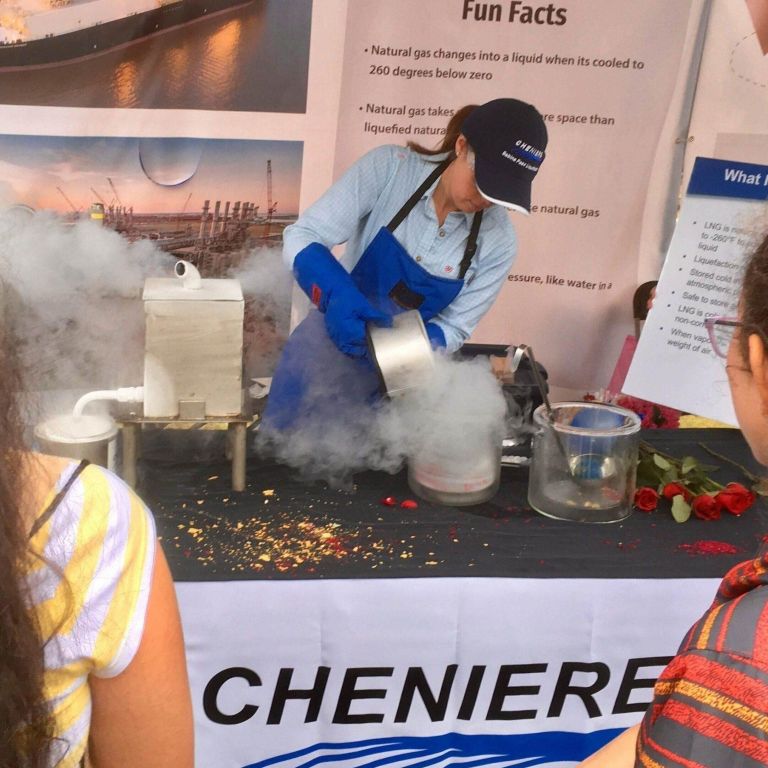
To liquefy natural gas, we cool it to -260°F (-162.2°C), which incidentally is about as cold as it gets on the moon. Now that’s cold!